Your teen says they're going to fail every final. You want to reassure them, so you say, "You'll be fine." They hear that you don't understand how worried they are.
Helping a teen with exam stress starts by making room for the worry. You can take it seriously without agreeing that the worst outcome is inevitable.
Find out what "I'm going to fail" means
Ask about a specific class. Is your teen worried about forgetting vocabulary, finishing a timed essay, losing a certain course grade, or disappointing you? Each concern calls for different help.
A student who doesn't know the test format needs information from the teacher. A student who understands the format but freezes during practice may need support with that experience. More flashcards won't resolve every concern.
Try: "Which part feels hardest right now? Do you want me to listen, help you plan, or help you contact someone?" Give them time to answer. You don't need to turn the first conversation into a complete recovery plan.
Separate facts from feared outcomes
Open the class syllabus or teacher's final-exam instructions together. Confirm the topics, date, allowed materials, and how the final contributes to the course grade. US schools and teachers use different policies; don't calculate the stakes from a social media post.
Write two columns: what is confirmed and what needs checking. For example, "The final includes a written response" is confirmed. "One weak response will ruin my grade" may be an assumption.
A useful teacher email is specific: "I'm preparing for the final and I'm unsure how much detail the short answers need. Could you point me to a sample response?" This is easier to answer than "How do I stop worrying?"
Make the next session smaller
Choose one task that matches the concern. If your teen worries about blanking on biology terms, ask them to explain a few terms without notes, then check the gaps. If the problem is writing, outline one response before attempting a full timed essay.
Leave room for breaks and the rest of the day. A plan that consumes every available hour can become another source of pressure. A missed session should lead to an adjustment, not a doubled workload as punishment.
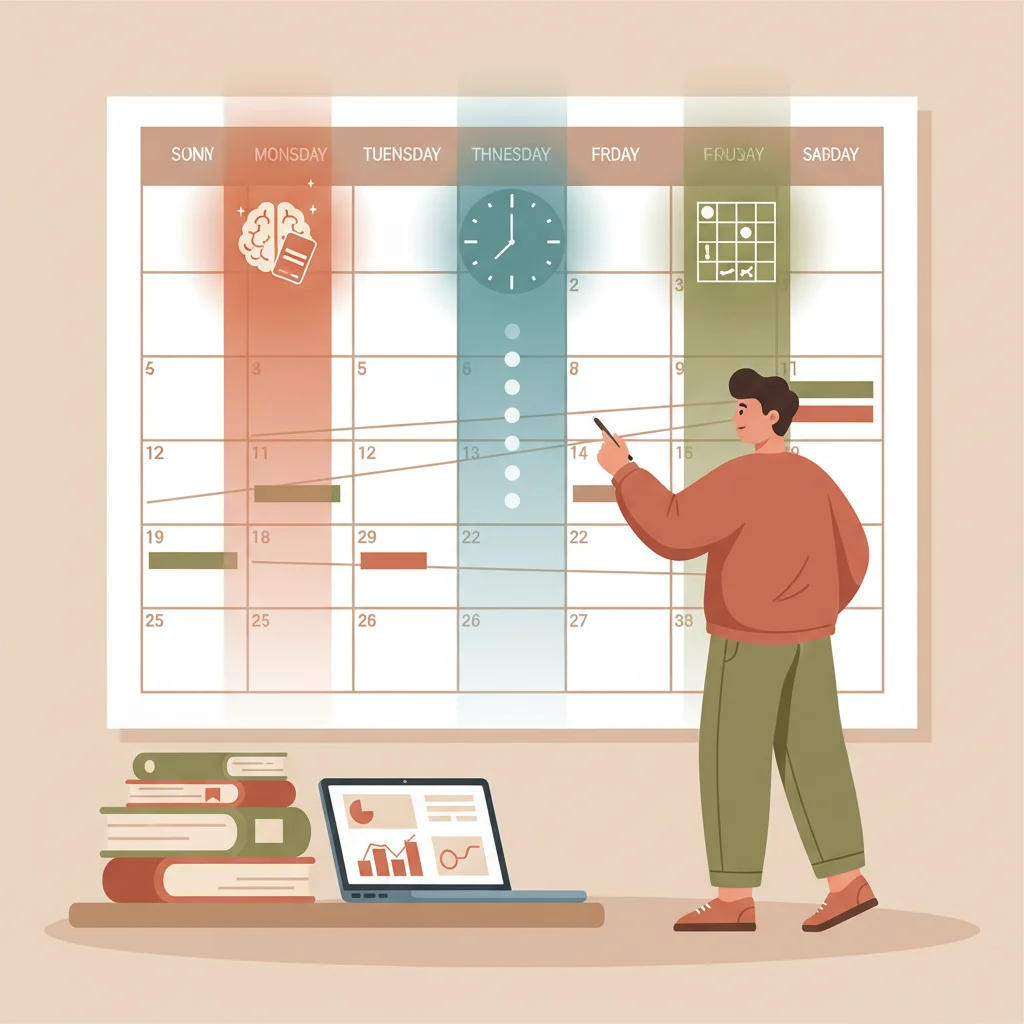
For a longer runway, use our eight-week finals plan. The dates and blocks are examples to fit around your family's actual schedule.
Keep encouragement attached to something real
Instead of "You're brilliant, you'll ace it," say what you noticed: "You couldn't explain that step yesterday, and today you did it without the example." Avoid predicting a grade you can't guarantee.
Don't make every meal a progress meeting. Agree on one check-in, and let other conversations remain about ordinary life. Your teen still needs time when they aren't being treated as an exam candidate.
When a dashboard helps, and when to close it
Wizidoo can generate practice questions from photos or a PDF of a lesson. Its announced new version includes parent access to course difficulties and, when available, feedback shown to the student. Look at one difficulty together and choose an action, such as reviewing an explanation or asking the teacher about an example.
The dashboard measures practice inside Wizidoo. It cannot predict a final grade. If checking numbers increases tension, close it and return to the work itself. Explore how parents can use the information.
Know when studying isn't the main issue
If distress is persistent, interferes with everyday activities, or seems to be getting worse, contact your teen's healthcare provider and school support team. NIMH offers guidance on children and mental health. You don't need an app score or a failed exam before asking for help.
The most useful thing you can communicate is simple: you're available, the plan can change, and their place in the family doesn't depend on a report card.