An AI summary can appear in seconds. Understanding whether you can use the material takes longer. When comparing AI vs traditional study methods, separate preparing a resource from learning through it.
You don't have to choose one side for every task. Decide which work a tool can help organize and which work you need to attempt yourself.
Start with the assessment
Suppose a biology test includes definitions and a written explanation of a process. Generated questions may help you check the vocabulary. You still need to practice building the explanation.
For algebra, a formula card can prompt recall, but the next problem may require you to choose which formula applies. Keep unfamiliar problems in the plan.
This avoids a common mismatch: using a convenient tool for the parts it handles while quietly leaving the hardest assessment skill unpracticed.
Where AI can reduce preparation
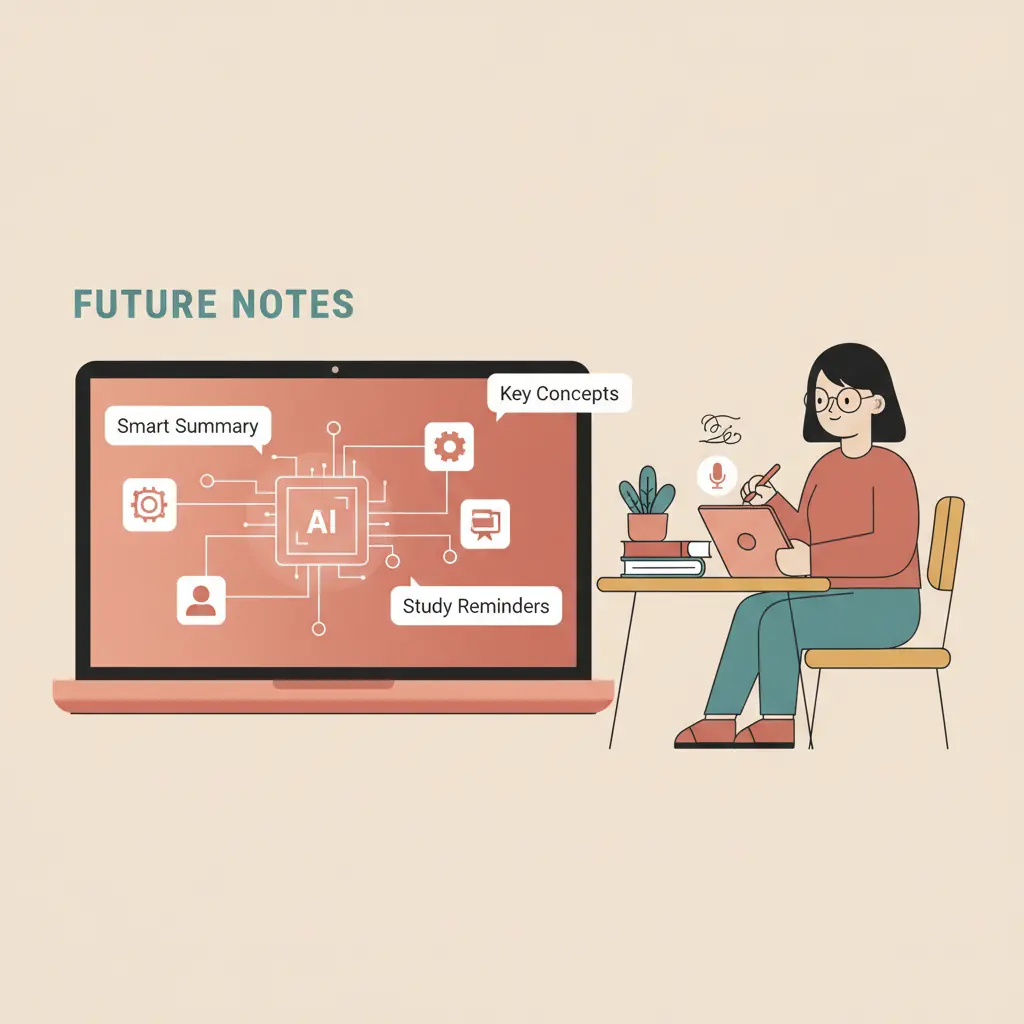
A document-based tool can turn class material into draft questions. You can then inspect them and attempt answers. This may be useful when creating practice questions is the task you've been postponing.
Treat the output as material to check. A generated question may miss a condition, misread a diagram, or ask about something absent from the course. Saving preparation time doesn't remove the need for that review.
If you use a conversational tool, request a hint or one question at a time instead of a complete solution. Follow your teacher's rules for AI use, especially when the work is graded.
Where paper or a partner may be enough
Fold a sheet to hide answers. Explain a diagram to a classmate. Solve a problem with the worked example covered. These formats let you practice retrieval and reasoning without installing anything.
Paper can be useful when the assessment requires handwriting or drawing. A digital tool can be useful when it makes materials easier to access. Neither medium guarantees understanding by itself.
Choose the format that lets you do the required work and check it accurately, including any accommodations you use in class.
Compare the same topic both ways
Try a short topic with paper questions and another comparable topic with generated questions. Keep the task similar. After a delay, attempt new questions without either resource open.
Note practical differences: preparation time, confusing feedback, and whether you can find missed material again. This informal comparison helps you choose a workflow; it isn't a controlled experiment proving one method superior.
Don't confuse AI with spaced repetition
Some apps calculate review intervals. Other AI tools do not. AI generation and review scheduling are separate features.
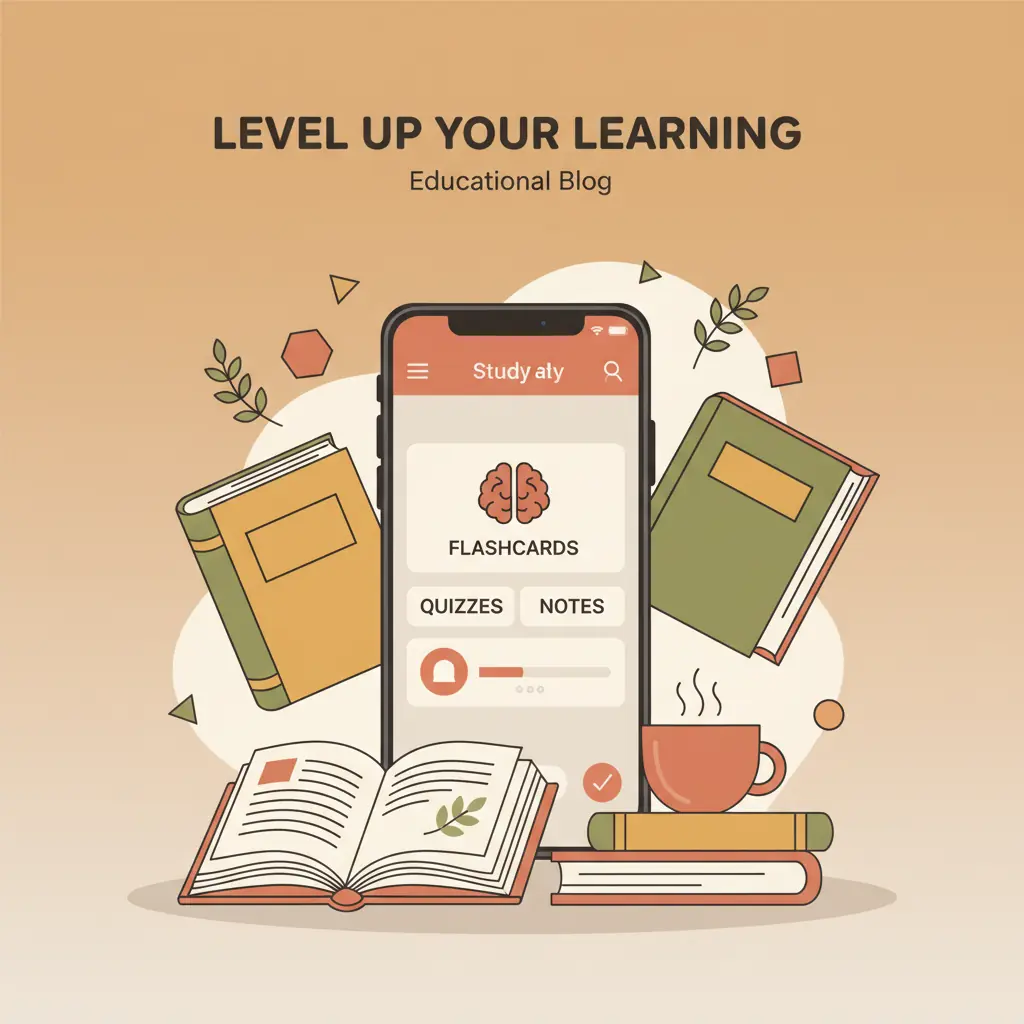
Wizidoo prepares questions from photos or a PDF. Wizidoo includes a course path with cards, questions, and review of mistakes. You choose when to return; it doesn't provide a calculated review calendar.
If you want a scheduling system, inspect that capability explicitly. Our spaced-repetition guide explains how to organize returns with or without an app.
A practical hybrid session
Read the class material and identify an unclear point. Get an explanation you can verify. Attempt a question without assistance, inspect the mistake, then do a related task independently. Set a later time to revisit it.
You can try up to 3 complete courses free for life in Wizidoo for the question-preparation step. Its indicator reflects answers in the app, not your entire command of the subject. Keep teacher feedback and full-format practice alongside it.
Frequently asked questions
Does reading an AI summary mean I have learned the material?
No, reading a summary only prepares a study resource without building recall. Test yourself on the key concepts without looking at the text to ensure you understand them.
Can I rely only on generated flashcards to prepare for exams?
Generated cards help you recall vocabulary, but they do not practice multi-step explanations or problem solving. Dedicate separate practice time to writing out full responses by hand.
What should I do if a generated practice question seems inaccurate?
Check the question against your primary course notes or textbook, as automated tools can miss context or misread diagrams. Discard or edit any question that conflicts with your syllabus.
How can I avoid getting full answers too quickly from a chat tool?
Prompt the tool to provide one hint or a single practice problem at a time. This keeps the actual problem-solving and reasoning effort on your side.
When is paper more practical than digital study tools?
Use paper when your upcoming exam requires handwriting, graphing, or drawing diagrams. Covering parts of a page or folding a sheet also lets you practice recall without any software.
Do all AI study apps automatically schedule spaced reviews?
No, generating practice questions and calculating review intervals are separate features. Check whether an app offers scheduling or simply creates study prompts on demand.
Does Wizidoo build an automated review calendar for me?
Wizidoo does not provide a calculated spaced-repetition calendar. You choose when to log in and review cards or past mistakes.
How can I test whether paper or an AI tool works better for me?
Prepare one short topic on paper and a similar topic with generated questions. After a delay, attempt new practice questions on both topics without using your notes to see which you recall better.
Does a high progress score in a study app guarantee mastery on test day?
No, an in-app score only reflects answers submitted within that software. Always supplement app practice with instructor feedback and timed, unassisted practice tests.
Are AI study assistants allowed on all school assignments?
Policies vary by school and instructor, so always review your course syllabus before using any tool on coursework. Follow your teacher's rules closely whenever an assignment is graded.