You finish an AI-guided problem and everything seems clear. The useful check comes next: can you solve a related problem when the guidance is gone?
AI can support studying, but "AI" covers many tools and uses. A result from one tutoring system doesn't establish that every chatbot or quiz app improves learning.
Separate evidence about a method from evidence about a product
Research supports useful approaches such as retrieval practice and spacing study across time. That doesn't tell you whether a particular app generates accurate questions, suits your class, or improves your grades.
The IES study guide discusses quizzing and spaced learning. Use those ideas to inspect a session, not as a seal of approval for any product using the word AI.
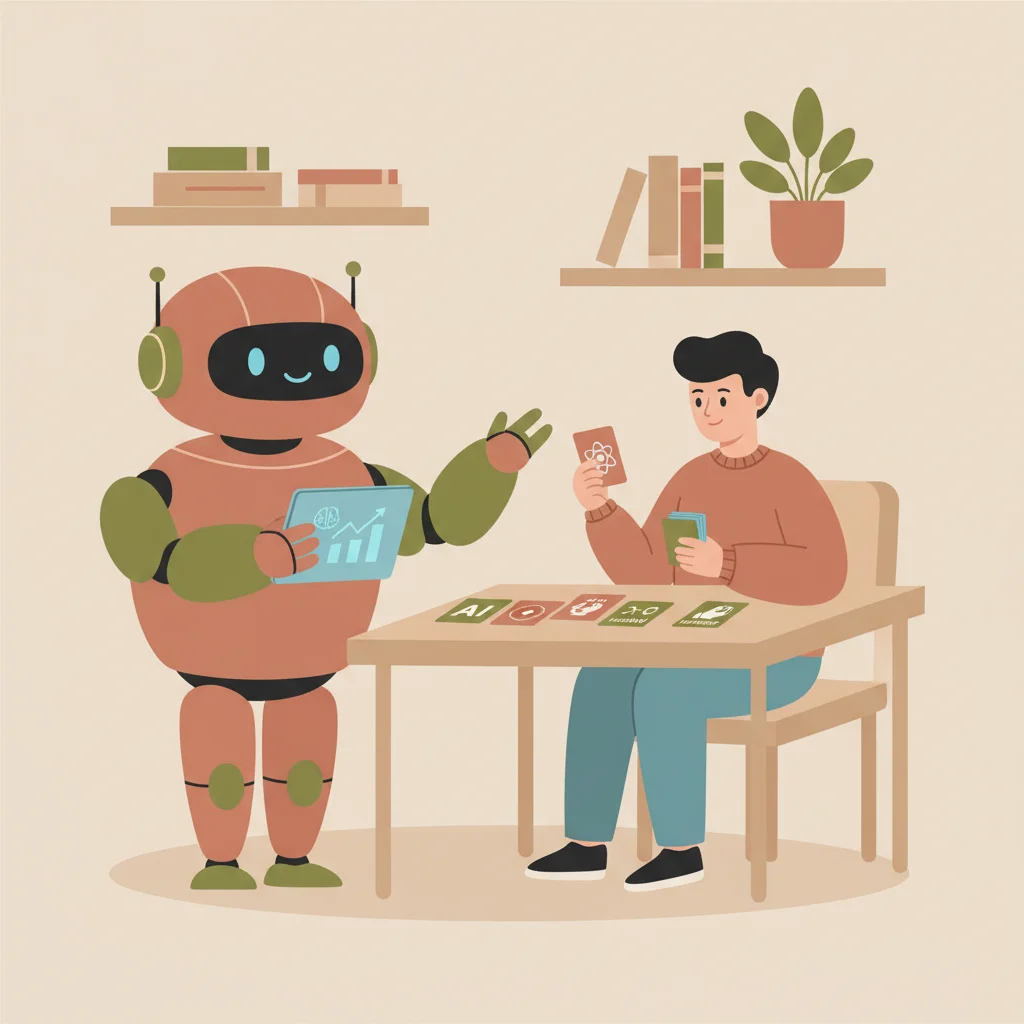
Ask what you did during the session. Did you attempt answers, explain reasoning, and use feedback? Or did you mainly read a polished response?
Use an answer as something to examine
Start with the problem and your own attempt. If you're stuck, ask for a hint or an explanation of the specific step. Compare it with class material or a source you can verify.
Then close the explanation and attempt a similar task. If you still need every hint, return to the missing idea. Don't treat that result as failure; it tells you what remains to practice.
For a history question, check the claimed evidence. For science, check conditions and units. For writing, distinguish feedback on your draft from having the tool produce the assignment for you.
Expect errors even when the explanation sounds confident
Generated material can be wrong or incomplete. The problem isn't limited to obviously strange answers. A plausible response can omit a condition or introduce vocabulary used differently in your course.
Keep the relevant notes open while checking feedback. When sources disagree, ask the teacher which interpretation fits the lesson. Avoid building a whole set of flashcards around an unverified explanation.
Try a simple independence check
After studying, write one question that requires using the idea in a new context. Attempt it later without the tool. Check against the teacher's example, rubric, or answer key.
If you succeed, you have evidence about that task. If you struggle, adjust the practice. Neither result proves that AI alone caused the outcome. Prior knowledge and other study work matter too.
Our active-recall guide offers ways to make the independent attempt specific.
Use the tool within your class rules
Ask what AI assistance is allowed for homework and graded work. Also check whether you may upload the document. A study use and a submitted assignment can have different rules.
An app cannot determine your instructor's policy for you. Keep a record of any assistance if your class requires disclosure.
Where Wizidoo can help
Wizidoo prepares questions from photos or a PDF of your course. You answer, inspect feedback, and revisit difficult material. Wizidoo includes a course path with review of mistakes; You still choose future study dates.
The per-course indicator reflects answers in the app, not a predicted grade. The first 3 complete courses are free for life, and the web interface supports English. Try a lesson if that workflow addresses your need, then judge what you can explain or solve away from the screen.
Frequently asked questions
How can I tell if studying with an AI tool actually improved my understanding?
Close the software and solve a related problem completely from memory on a blank page. If you cannot explain the steps without hints, you have not mastered the material.
Does research backing active recall mean every AI study app will raise my grades?
No, cognitive science principles like spaced practice do not guarantee that a specific application generates accurate questions or improves course performance.
How should I handle subtle errors or misleading claims in generated explanations?
Verify all terms, conditions, and formulas against your syllabus or assigned textbook. When interpretations conflict, follow your teacher's guidance.
What is the most effective way to ask an AI tool for homework help?
Attempt the task first, then ask for a hint on a specific step rather than requesting the entire solution. Once you read the hint, solve the rest independently.
Can I upload lecture slides or use AI assistants for graded assignments?
Consult your instructor's syllabus and honor code first. Guidelines often distinguish between independent study help and prohibited assistance or unauthorized file uploads.
Why is reading an AI-generated chapter summary ineffective on its own?
Reading polished text creates cognitive ease without the productive effort required for long-term retention. Practice active retrieval instead of reviewing summaries.
Does a high mastery indicator in a study app mean I am ready for the exam?
No, in-app completion metrics only track your answers within that specific tool. They do not measure comprehensive course understanding or predict exam grades.
How should I test my knowledge after completing an AI-assisted practice session?
Write a question that applies the core concept to an unfamiliar context and solve it later without using any tool. Check your answer against official rubrics or keys.
What should I do if an AI app promises upcoming automated review paths?
Treat announced features as and schedule your own review sessions manually. Do not depend on unreleased tools to structure your preparation.
How can I avoid relying on automated prompts when working through difficult topics?
Keep your notes open to check facts, use hints only when stuck, and finish by attempting a complete problem without any hints. If you get stuck again, restudy the underlying lesson.