A morning routine that starts at 5 a.m. looks impressive in a video. It may be useless if you work late, share a bathroom or need to catch a school bus before sunrise. Begin with the morning you actually have.
A useful morning routine for students reduces rushing and forgotten materials. Studying is optional in that window; arriving prepared and awake enough to participate already matters.
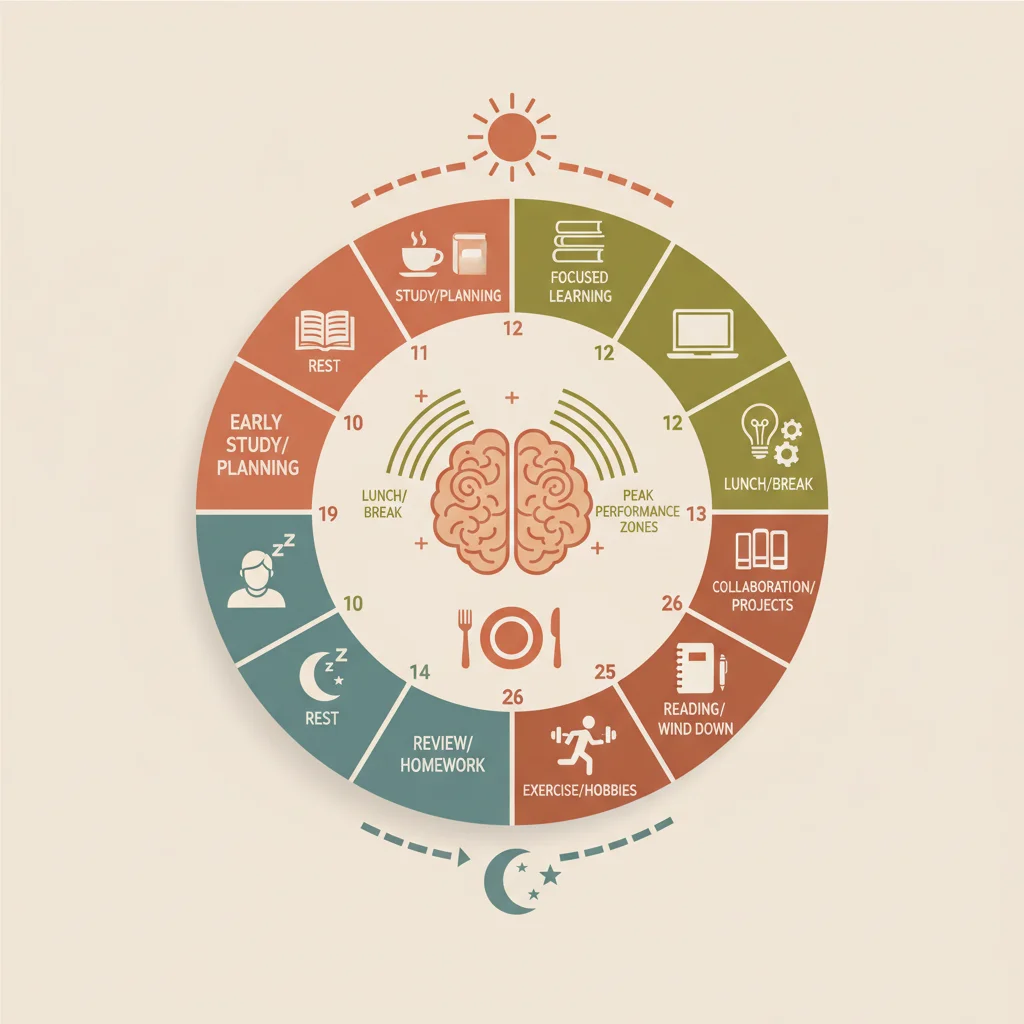
Work backward from departure
Write the time you need to leave or log into the first class. Allow for the real commute, getting ready and your usual breakfast arrangements. Add a little room for ordinary delays.
Don't fill every minute with a new habit. If the plan only works when nothing goes wrong, it is too tight. A commuter college student and a middle schooler taking a bus may need very different mornings.
If you are routinely late, identify where time goes before moving the alarm earlier. Missing keys or an uncharged laptop may be easier to fix the night before.
Move decisions to the evening
Check the first class, required materials and any changed room or schedule. Charge the device you need and put essentials together. If a form or assignment must be brought physically, place it where it won't be forgotten.
Choose clothes or pack a bag in advance if those decisions regularly cause a delay. These small preparations can remove more friction than adding a motivational ritual after waking.
If you want a short study task, decide it now: "Explain yesterday's biology diagram" or "Review the vocabulary I missed." Don't leave the morning to choose among six subjects.
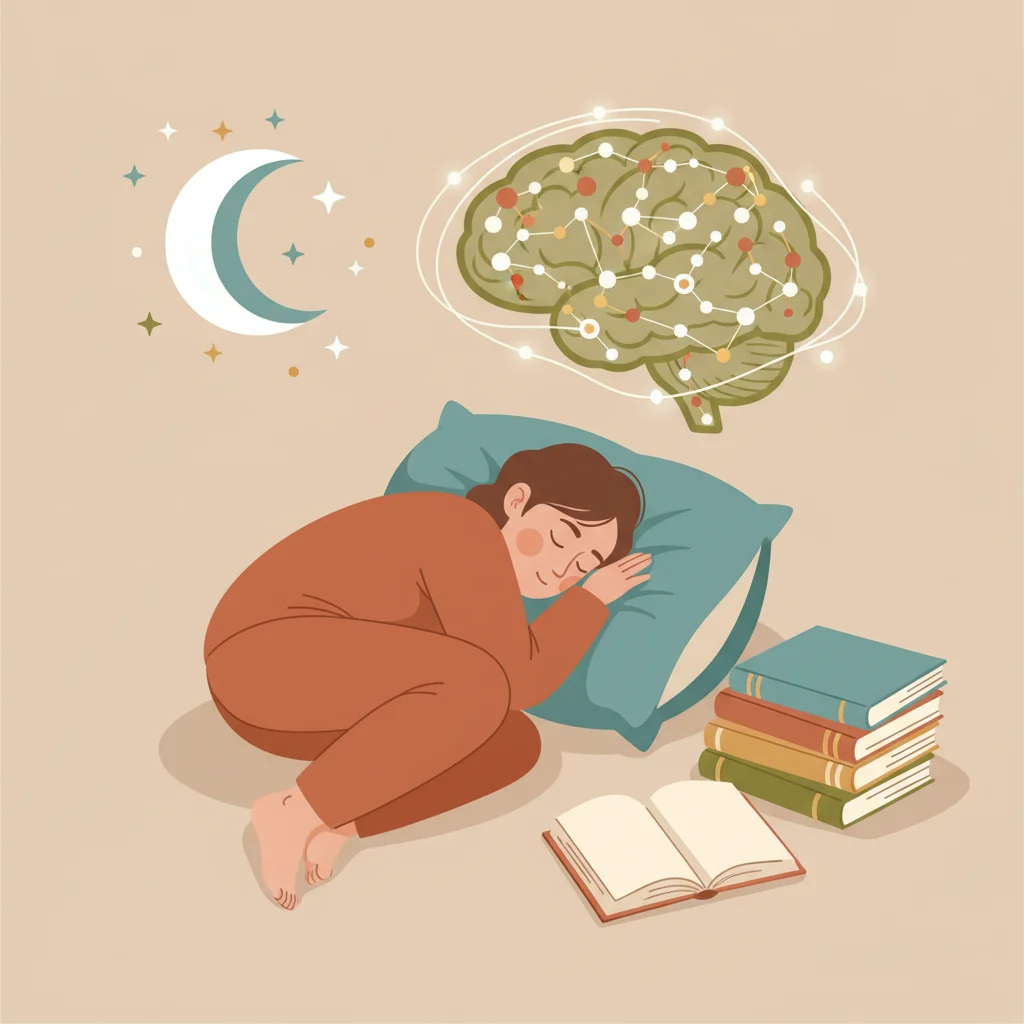
Protect sleep before adding study
An earlier alarm doesn't create free time if bedtime stays the same. The CDC provides age-based sleep recommendations: children ages 6–12 generally need 9–12 hours, teens ages 13–17 need 8–10, and most adults need at least 7.
Those are population recommendations, not an individual medical assessment. Persistent tiredness or sleep problems deserve a discussion with a qualified health professional.
If a morning study slot cuts the night short, move the practice elsewhere. No article can tell you that everyone learns best at the same hour.
Use a short version on class days
Get ready, follow your usual meal routine and check the needed materials. If there is time left, attempt one familiar question without looking at the answer. Check it and record a difficulty for later.
Do not let one unresolved problem make you miss the bus or first class. Write the next step and leave on time. A morning task should fit the available space, not take control of the whole schedule.
For example, a student might spend a few minutes explaining the difference between area and perimeter, then save a longer word problem for after school. The small return supports continuity without pretending to replace a full session.
Use a different plan on a free morning
A day without an early class allows a more substantial task. Choose a problem set, a reading response or an essay outline. Set an end and a break rather than assuming every open hour should become study time.
If you work best later, use the morning for practical preparation or other responsibilities. The value of a routine is predictability and fit, not proving that you are an early riser.
Try the arrangement for several days before judging it. One disrupted morning is not enough evidence to redesign everything.
Can Wizidoo provide a small morning task?
Wizidoo prepares questions from photos or a PDF of class material. If you already have a course ready, a bounded practice session can give you a clear action. Answer before reading the correction, then stop when the planned task is done.
The course path includes steps and review of mistakes; The app doesn't determine your ideal biological study time or schedule the rest of your day.
English-speaking students can use the web app. The iPhone app also supports English. Don't open a device for a quick quiz if that reliably turns into a long scroll and makes you late; another time or paper may fit better.
Evaluate practical changes
Ask whether you rushed less, forgot fewer materials or completed a short task without losing sleep. If the routine creates more stress, remove a step. Don't keep moving the alarm earlier to preserve an unrealistic list.
For families, agree on which preparation belongs to the student and where a reminder helps. A morning check should make leaving easier, not become an interrogation about the whole semester.
End with a prepared departure. A routine has succeeded when it supports the day you need to have, even if it would make an unremarkable productivity video.
Frequently asked questions
Do I need to copy an early morning routine to be productive?
No, you should build your schedule around your actual departure time, commute, and sleep needs rather than an arbitrary 5 a.m. wake-up. Arriving awake, organized, and on time for your first class is already a solid baseline.
How can I study in the morning without making myself late?
Prepare a single clear question the night before, attempt to recall it without looking at the answer, and stop immediately when time runs out. If you hit a roadblock, write it down to solve later instead of delaying your departure.
Should I set my alarm earlier if I need to fit in homework?
Do not sacrifice sleep to add morning studying, as health guidelines like the CDC recommendations highlight that cutting sleep harms memory and attention. Move your practice session to another time of day unless you can genuinely go to bed earlier.
What should I prepare the night before to reduce morning friction?
Charge your necessary school devices, assemble your bag, locate essential items like keys or paperwork, and confirm your first room or meeting location. Making these practical decisions in advance eliminates rush without requiring mental effort at wake-up.
What is the best way to handle study time on a free morning without classes?
Choose a more substantial task like a problem set, an essay outline, or a reading assignment, but designate a definite stopping point and a break. Having open hours does not mean you must fill every minute with schoolwork.
Can Wizidoo give me a quick morning review task?
Yes, Wizidoo can generate bounded quiz questions from your uploaded class material or notes via the web app. Note that the announced course path feature is , and the iPhone app also supports English.
What if opening my device for a morning quiz distracts me?
If checking your screen consistently leads to social media scrolling and makes you late, switch to paper notes or move digital study sessions to later in the day. The routine must protect your departure time above all else.
How can families prevent morning check-ins from causing arguments?
Decide in advance which preparations belong to the student and establish clear, minimal reminders just to verify departure essentials. Avoid turning the routine check into a stressful discussion about the entire semester's grades.
What should I do if I feel constantly exhausted waking up for school?
Speak with a qualified healthcare professional, because population sleep guidelines cannot replace an individual medical evaluation. Adjusting alarms or adding stimulants will not address an underlying sleep or health issue.
How do I evaluate whether my morning routine is actually working?
Track whether you have fewer forgotten materials, reduced rushing, and less stress over several typical mornings. If following the schedule increases your tension, remove an activity rather than pushing your alarm earlier.