The assignment took longer than expected, so sleep becomes the flexible part of the schedule again. One late evening can turn into a pattern in which every unfinished task is paid for at night.
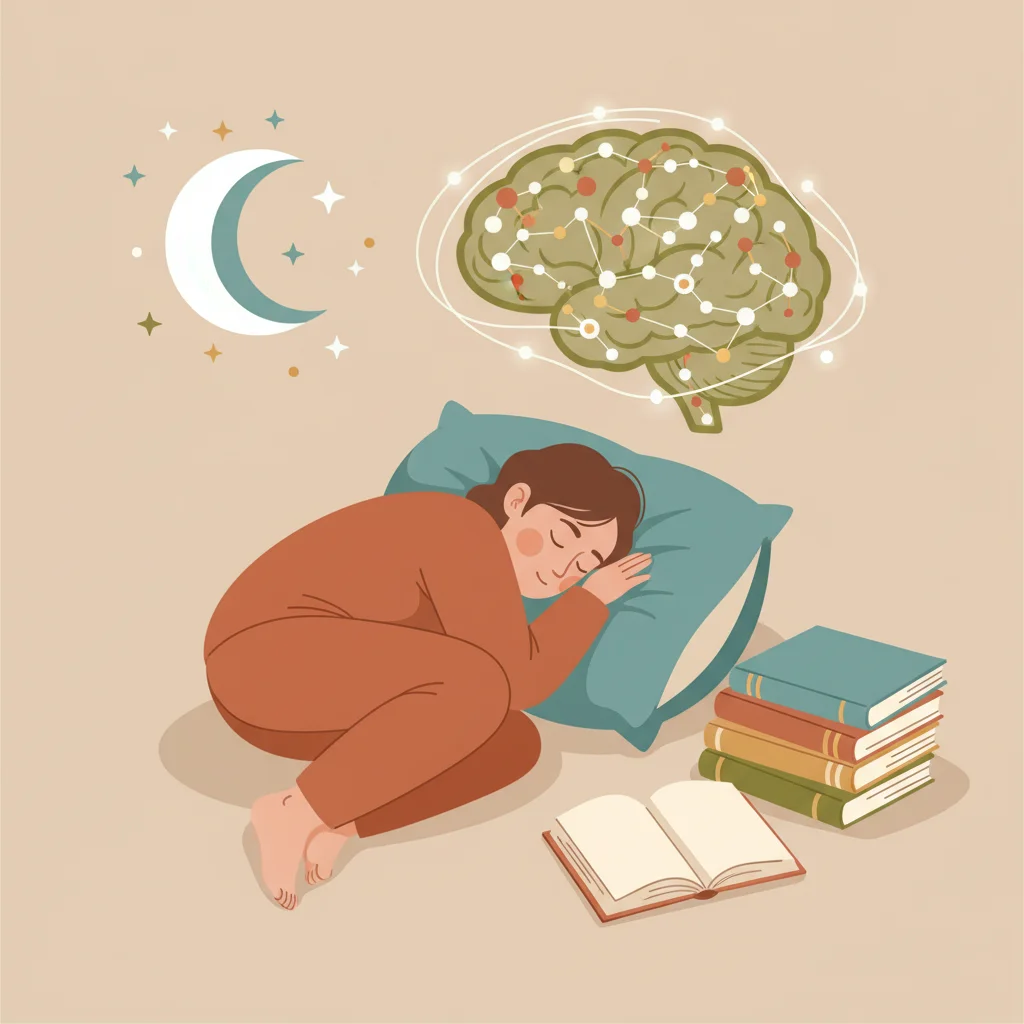
Sleep and studying belong in the same plan. Rest doesn't teach a chapter you never understood, but cutting the night short isn't a reliable way to make more usable learning time either.
Know what sleep guidance does and doesn't tell you
The CDC's age-based recommendations give a useful reference: 9–12 hours for ages 6–12, 8–10 for ages 13–17 and at least 7 for most adults. Individual needs and persistent problems should be discussed with a health professional.
These recommendations aren't an equation that turns a certain bedtime into a test score. Understanding the material, practice and assessment conditions still matter.
Avoid using an app's study streak as a reason to ignore fatigue. A recorded session doesn't establish that the work was useful.
Decide when the evening ends before it begins
List the essential task and a reasonable stopping point. Include time to prepare for the next day so packing a bag doesn't restart the entire work period.
If several tasks won't fit, make the conflict visible. Which deadline is confirmed? Which part can be completed independently? Which question needs a teacher's explanation? A priority decision is better than pretending every item can be finished after midnight.
At college, work shifts and commuting may constrain the plan. At school, extracurriculars and family responsibilities matter too. Build around those realities rather than a schedule for someone with every evening free.
Finish with a next action
At the end of a session, close the notes and attempt a brief explanation or problem step. Check it and write what remains unresolved. That record gives you somewhere to restart tomorrow.
For example: "I can explain the graph's trend, but I need help connecting it to the experiment." This is more useful than reopening all the notes whenever you worry you haven't done enough.
A short final review is optional. If it delays sleep or turns into an anxious search through every chapter, stop and use the written next step.
Move some review to earlier days
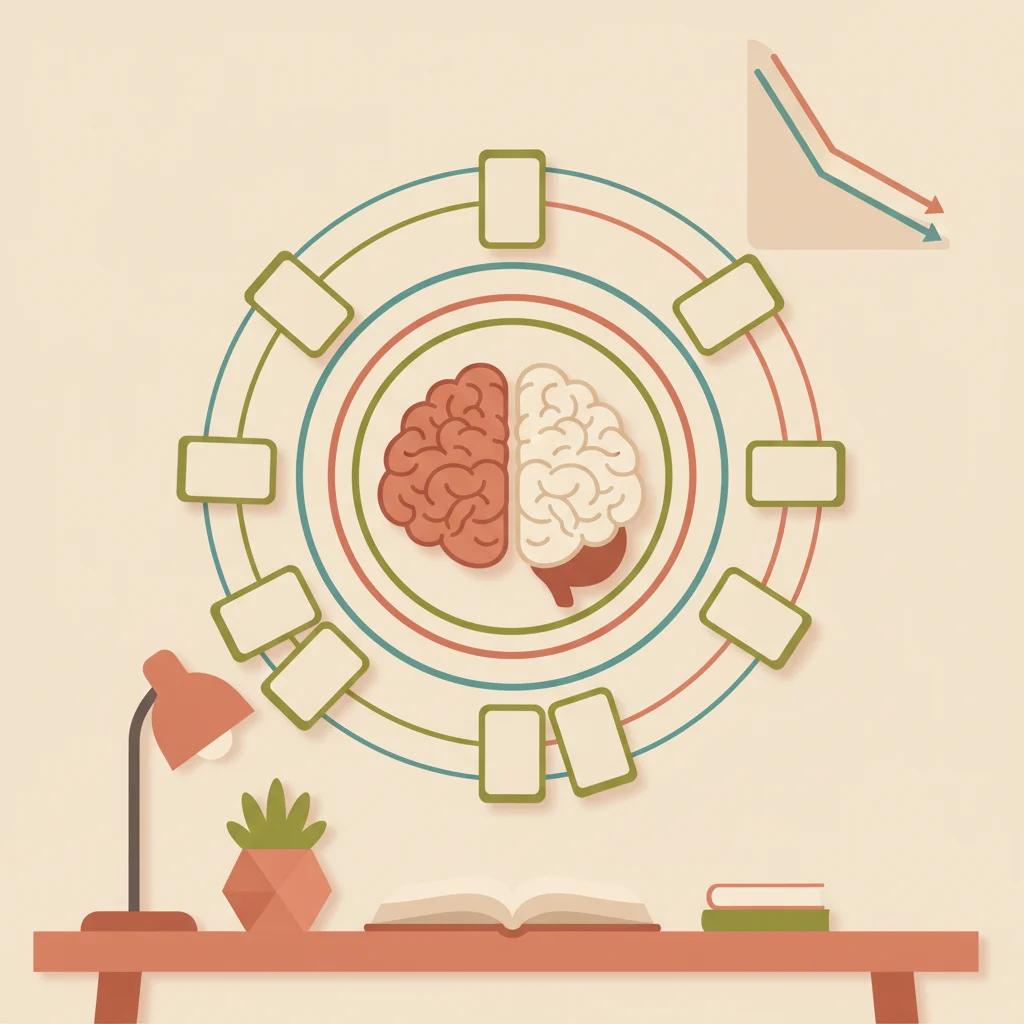
Choose an older idea and return to it in another session. You don't need to cover the entire unit again. A few well-chosen questions can reveal what remains accessible and what needs attention.
Spacing doesn't require one supposedly perfect interval. Fit returns around the course timeline and the difficulty of the material. Our spaced repetition FAQ provides a practical starting point.
Wizidoo can prepare questions from uploaded photos or a PDF and help you revisit mistakes. It doesn't calculate the calendar or know when you should go to bed. You choose the sessions and their ending.
Respond sensibly after a poor night
Identify the work that truly needs doing and adjust unrealistic expectations. If you are very sleepy, consider safety during travel and other activities. Don't treat exhaustion as a reason to add a punishment session for yesterday's unfinished work.
Caffeine and energy drinks do not replace sleep. Avoid creating a medication or supplement routine from study advice online. Ask a qualified professional about persistent symptoms or concerns.
One bad night doesn't determine an exam outcome. Focus on the practical decisions still available rather than trying to calculate how many marks it has cost.
Ask for help when the pattern persists
If required work repeatedly exceeds the available time, contact the teacher, academic advisor or school support team with examples. They can help distinguish workload, missing prerequisites and organizational problems.
Persistent sleep difficulties or daytime tiredness also deserve medical attention. Describe the usual schedule, how long the problem has lasted and what it changes during the day. You don't need to diagnose the cause before starting that conversation.
For a parent, ask about the evening as a whole instead of only checking whether a device was used. School demands, worry and the sleep environment may all be relevant.
Keep studying measurable in a useful way
A completed problem, an explanation without notes or a question prepared for the teacher tells you what the session produced. Hours awake with a book open don't provide the same information.
If you use Wizidoo, treat its course indicator as information about answers inside the app. It doesn't prove readiness for every task or justify continuing indefinitely. The English web app is available for English-speaking students; the iPhone app currently remains French.
End tonight with a clear next step and a stopping point you can honor. That is a more sustainable arrangement than repeatedly borrowing time from tomorrow's energy.
Frequently asked questions
Does getting a full night of sleep guarantee a high exam score?
No, sleep does not guarantee subject mastery or test performance. Understanding course material, active practice, and exam conditions remain essential.
Can sleep help me learn a concept I never understood during class?
No, rest does not teach unlearned chapters on its own. Attempt a brief explanation, write down the specific unresolved gap, and ask your instructor for clarification.
Should I always review study notes right before falling asleep?
A quick review is optional and should be skipped if it delays bedtime. If reviewing notes sparks worry or restarts a long session, stop and rely on written next steps.
What should I do when assignments do not fit before my scheduled bedtime?
Focus on confirmed deadlines, finish one essential independent task, and explicitly postpone the rest. Reach out to an advisor or instructor if workload conflicts occur repeatedly.
Does maintaining a study streak on an app prove I am making progress?
No, recorded streaks or hours awake with an open book do not guarantee useful learning. Gauge preparation by tangible actions, such as solving a problem or explaining a concept without notes.
Can Wizidoo automatically schedule my study calendar and bedtimes?
No, Wizidoo generates questions from study materials and revisits mistakes, but it does not compute a study calendar. You remain responsible for choosing study times and stopping for sleep.
Is the Wizidoo mobile app available in English on iOS?
English-speaking students can access the English web app. The iPhone application currently remains available in French only.
Can caffeine or energy drinks make up for lost sleep during exam prep?
No, caffeine and dietary supplements do not replace biological sleep. Avoid creating DIY stimulant or medication routines from online advice.
How can I study across multiple days without rereading entire units?
Select a few targeted questions from an older topic to test what you can retrieve. Fit your returns around actual assignment timelines rather than trying to follow an inflexible interval model.
When should persistent study fatigue lead to a medical consultation?
Seek medical attention if daytime sleepiness, severe exhaustion, or sleep problems persist. Note your typical sleep hours and daytime symptoms to share with a healthcare professional.