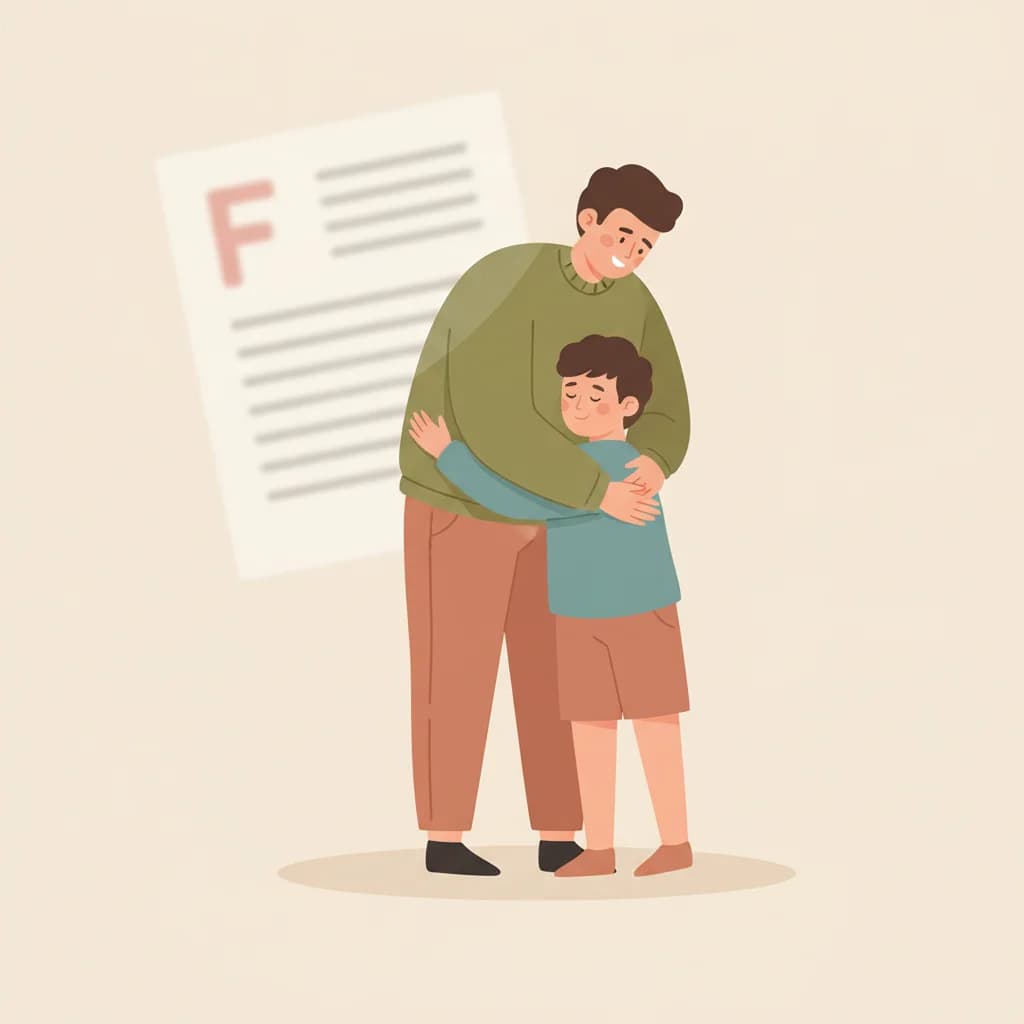
Your teen has an AP class test, a lab report, and a regular shift this week. At midnight, they are still at the desk. The question is not whether they care about school. Ask what remains unfinished and what keeps them from stopping. A parent can help separate a real deadline from an endless attempt to feel fully prepared.
See the whole week before setting a bedtime rule
Look at the school's assignment calendar, your teen's activities, commute, and actual wake-up time. Is this one unusually busy night, or a pattern? Are they stuck on a particular problem, rewriting notes, or catching up on work that started late? Each situation needs a different response. Do not assume a better planner can resolve an unreasonable load.
The CDC reports that teens ages 13 to 18 are generally recommended 8 to 10 hours of sleep per day. Its school guidance connects adequate sleep with attention and well-being. That is a reason to protect rest, not a guarantee that sleeping a certain number of hours will raise a grade.
Choose what gets finished tonight
Ask your teen to identify the assignment that must be submitted tomorrow and the preparation that can continue on another day. If they are rereading a chapter for the fourth time, try one closed-note question with an answer check. If they cannot solve a problem after a reasonable attempt, help them write a question for the teacher rather than working deep into the night. The US Institute of Education Sciences supports retrieval practice with feedback, but a school assignment may still require writing, calculation, or lab work in its own format.
Agree on an end point your teen understands: the report is submitted, two difficult questions have been checked, or the teacher question is ready. A vague demand to "study until you're confident" can have no natural stopping place. The plan should preserve a realistic sleep window given the next morning's schedule.
If work always begins on the final night, this parent guide to last-night studying addresses the starting point. If effort is high but grades do not improve, compare study with graded work. Those are different problems from a teen who cannot stop because they are frightened of the result.
Notice when school pressure needs more support
Ask how your teen is feeling about the next day. If they say they cannot sleep even when work is finished, or if worry repeatedly affects eating, school attendance, or daily life, speak with a pediatrician or school counselor. The American Academy of Pediatrics advises families to discuss persistent school struggles with a pediatrician because many factors can contribute. An app or a home schedule cannot diagnose the cause.
If several teachers' deadlines collide, your teen can ask about priorities and expectations. In high school, help them prepare that conversation while letting them participate. An accommodation plan, if one exists, follows your school's process; this article cannot determine eligibility.
Wizidoo's linked parent view can show practice and course mastery inside the app. It cannot measure sleep, total homework, or mental health. Use the dashboard explanation for what those numbers mean. If your teen is losing sleep, the next useful question is about their workload and well-being, not their streak.
Questions US parents ask
Is staying up late once before an AP test a warning sign?
One night does not establish a pattern. Notice how often it happens and whether your teen recovers and functions during the day.
How much sleep does a high school student need?
The CDC cites 8 to 10 hours per day for ages 13 to 18. Individual needs and medical circumstances can differ.
Should I take away the laptop at bedtime?
First identify what work is still due and agree on an end point. If you set a device rule, explain it and keep school access needs in view.
What if a part-time job makes the schedule impossible?
Review the entire week with your teen. Discuss work hours and school deadlines, and ask school staff about priorities when needed.
Can a weekend sleep-in fix repeated short school nights?
Do not use it as the only plan. Look for a sustainable change to the weeknight workload and routine.
How do I tell studying from perfectionism?
Ask what task your teen is trying to complete and what would count as done. Repeatedly rewriting completed work without a clear reason may call for a broader conversation.
Does a high mastery score mean my teen can stop studying?
It reflects in-app quiz work, not the full class assessment. Compare it with the teacher's assignments while protecting time to rest.
When should we email a teacher about workload?
When a specific assignment remains unclear or several deadlines make a realistic plan difficult. Bring concrete examples.
When should a pediatrician be involved?
If sleep problems or distress persist, worsen, or affect daily life, seek individual advice. Do not wait for a report card.
Can Wizidoo detect that my teen is exhausted?
No. The app records study activity, not health or sleep. Talk with your teen and the relevant professionals.